From seed to oil, fuel and feed
Full processing technology: canola or sunflower seed is pressed into cooking oil, oil is converted into diesel and lubricants, and the oil cake goes to animal feed.
How the system fits together
Two oil streams feed the enzyme conversion stage: fresh oil pressed from seed, and used cooking oil collected from the market.
What happens at each step
Australian-grown oilseed
The system is designed around canola or sunflower seed grown in Australia, so the oil does not need to be imported.
Oil extrusion
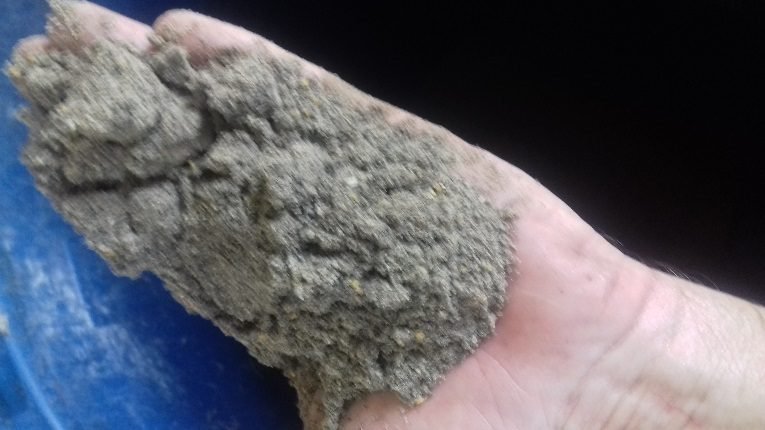
Seed is pressed with oil extrusion technology. The oil is separated from the solid oil cake.
Organic cooking oil
Pressed oil can be sold to the market as organic cooking oil before any of it becomes fuel.
Used cooking oil
Used oil is collected at the same time as new oil is delivered, and becomes feedstock for fuel.
Enzyme conversion
An enzyme-based process converts the oil into diesel. The process is designed without the glycerol by-product of conventional biodiesel plants.
Fuel, lubricants and feed
Outputs include vehicle diesel, light diesel, plant-based lubricants and greases, and oil cake for animal feed.
New oil out, used oil back
A simple loop links the food market and fuel production.
Press local seed
Australian-grown canola or sunflower is pressed into organic cooking oil, with no import cost for the oil.
Sell with a swap agreement
The cooking oil is sold to the market on an agreement to swap it for the customer’s used oil.
Collect on delivery
Used oil is picked up at the same time new oil is delivered.
Convert to diesel
The used oil is converted to diesel with the enzyme process.
Built to be efficient and easy to run
- Enzyme conversion technology
- High velocity jet technology
- Heat exchange technology
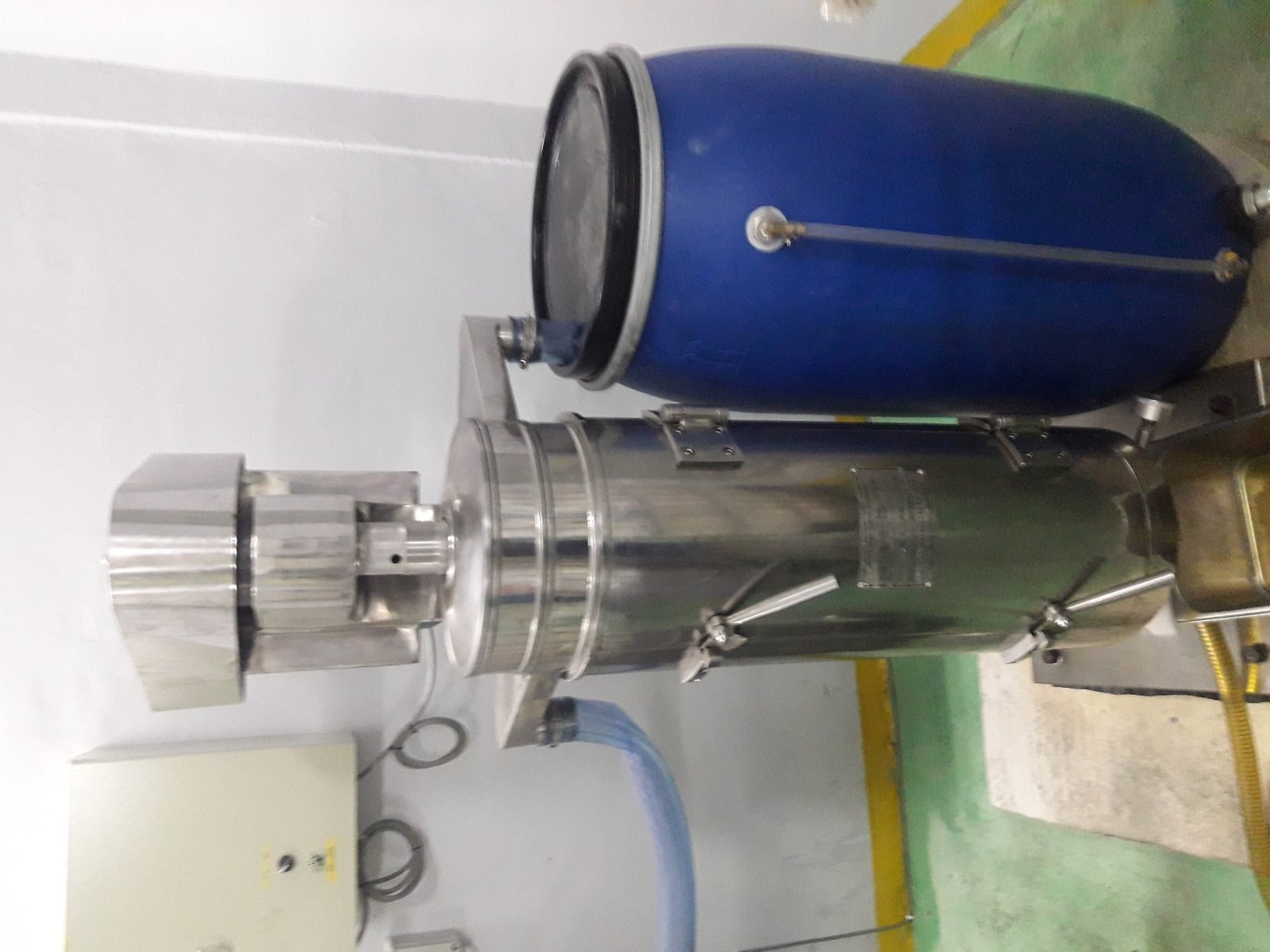
- High speed centrifuge separation
- Production efficient and cost effective
- Easy to operate and easy to maintain
- Up to 120 tonnes of output per month from one plant
- Output quality tested against international standards
See what the process makes
Fuels, lubricants, greases, cooking oil and feed.